Recycling and Sustainability in Landscaping Stockwell
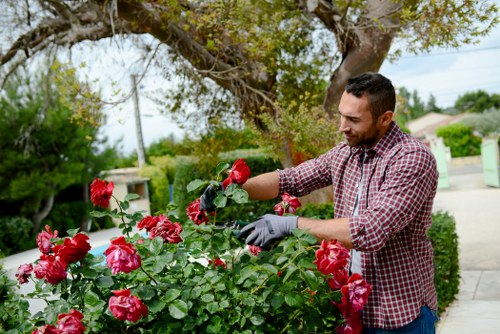 Landscaping Stockwell is increasingly shaped by a practical commitment to recycling and sustainability, with every project aiming to reduce waste, conserve resources, and support greener local spaces. From planting schemes and hard landscaping to routine maintenance, Stockwell landscaping can be planned so that materials are reused where possible, waste is sorted correctly, and greener transport choices are built into everyday operations. A clear recycling percentage target helps keep this work measurable: our aim is to divert at least 85% of green and recyclable waste from landfill across suitable projects, while continuing to improve year on year. This includes reusing soil where it is clean and safe, separating timber, metal, plastics, and packaging, and choosing suppliers that support circular economy practices. In a borough setting like Stockwell, where mixed-use streets, residential blocks, and shared courtyards create varied waste streams, careful sorting is especially important. The approach reflects a broader London habit of separating rubbish into food waste, dry mixed recycling, green waste, and residual waste to improve recovery and reduce contamination.
Our recycling-focused landscaping in Stockwell is built around the idea that garden and grounds work should create value, not unnecessary waste. When paving, fencing, turf, and planting materials are removed, we look for opportunities to salvage usable components, send aggregates for crushing and reuse, and keep organic materials in circulation through composting or mulching. Even routine tasks can make a difference: grass cuttings, leaves, and prunings can become mulch rather than landfill waste, while suitable branches may be chipped for reuse on-site or through local processing routes. The aim is not only to manage waste responsibly but also to reduce the need for virgin materials in future projects. That means choosing recycled-content products, specifying durable finishes that last longer, and planning installations so that replacements are needed less often. In practice, this creates lower-emission landscapes that still look neat, modern, and resilient.
 A major part of sustainable landscaping in Stockwell is using the right local facilities for sorting and transfer. Depending on the material, waste may be taken to approved transfer stations and reuse points serving the wider Lambeth area, where it can be separated for recycling, recovery, or specialist processing. These local transfer stations help reduce the distance waste has to travel and make it easier to keep different waste types apart. For example, inert material from path works can be directed to aggregate recovery, while green waste can be processed separately from mixed construction debris. This is especially useful in urban landscaping, where jobs often produce a combination of soil, timber offcuts, cardboard, plastics, old planting containers, and metal fixings. By using designated routes and facilities, Landscaping Stockwell can keep recycling standards high and support the area’s wider waste separation goals.
We also value partnerships with charities that extend the life of useful materials and support the community. Certain items removed during landscape clearances, such as intact planters, outdoor furniture, tools, decorative stone, and surplus materials, can often be reused rather than thrown away. Where safe and appropriate, these items may be passed on to charities, local community groups, or reuse initiatives that help households, schools, and gardens benefit from them. This type of partnership is a practical expression of sustainable landscaping in Stockwell, because it turns surplus into opportunity and keeps quality goods in circulation for longer. It is also a thoughtful response to the pace of urban renovation, where perfectly usable items can otherwise be lost in mixed waste. By working with charities, landscape teams help reduce disposal volumes while contributing to social value in the local area.
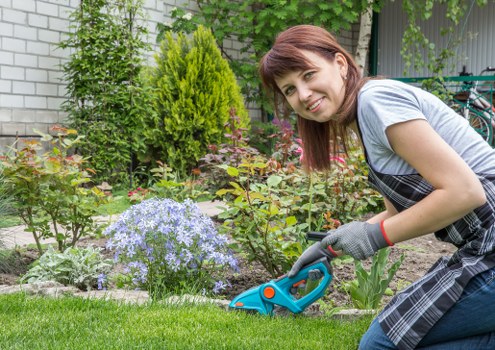 Transport is another area where we have made clear progress. Our Stockwell landscaping operations increasingly use low-carbon vans, chosen to reduce emissions during local travel between sites, suppliers, and transfer stations. These vans support cleaner air and quieter streets, which is particularly important in dense neighbourhoods where delivery vehicles and service traffic already create pressure. Lower-emission vehicles are complemented by efficient route planning, so crews can complete multiple tasks in one journey and avoid unnecessary mileage. This not only reduces the carbon footprint of each project but also helps keep operations efficient and responsive. In an area where short trips are frequent, switching to low-carbon vans can have a meaningful cumulative effect over time. Combined with better load planning and smarter scheduling, the transport strategy becomes part of the sustainability story rather than an afterthought.
Local recycling practice also benefits from awareness of borough collection systems and separation rules. In many London neighbourhoods, including those near Stockwell, waste is expected to be divided into categories that keep food waste away from dry recyclables and prevent contamination of green waste. Landscaping teams that understand these standards are better able to sort materials correctly on site, especially where a job produces mixed waste from planting, cleaning, and construction-style work. For example, clean cardboard packaging can be kept separate from soil, while plastic pots and ties may be collected for appropriate recycling streams if accepted by the receiving facility. This careful approach helps maintain high recovery rates and supports the wider municipal effort to increase recycling performance across the borough.
Responsible landscaping in Stockwell also means designing with waste reduction in mind from the very beginning. Selecting long-life materials, avoiding over-ordering, and measuring quantities accurately all reduce the amount that must be sent away later. In planting work, this might mean using locally suitable species that need less replacement, or planning soil improvement so that excavated material can be retained and improved rather than discarded. In hard landscaping, it might mean recovering sub-base material where possible or choosing modular components that can be lifted and reused. These choices support a lower-waste workflow while helping gardens and outdoor spaces stay attractive for longer. Sustainability is not limited to the final disposal stage; it begins with the design brief, continues through procurement, and is maintained throughout installation and upkeep.
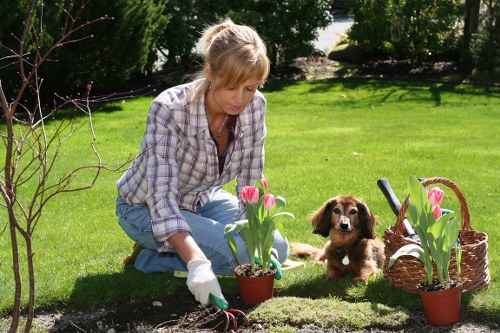 Another important element of our recycling and sustainability work is staff awareness. Teams involved in Landscaping Stockwell are encouraged to separate materials at source, identify reusable items, and treat waste as a set of distinct material streams rather than one mixed load. This practical discipline supports better outcomes at local transfer stations and makes charity partnerships more effective because reusable items are kept clean and intact. It also reinforces the use of low-carbon vans and route planning, since well-organised loads are quicker to transport and easier to deliver to the correct destination. Small habits matter: keeping green waste uncontaminated, storing recyclable packaging dry, and removing fixings from timber all improve the quality of what can be recovered. Over time, these actions help the whole service become more efficient and more responsible.
 Looking ahead, recycling in landscaping Stockwell will continue to evolve alongside borough-wide sustainability priorities and community expectations. Our focus remains on improving the recycling percentage target, strengthening links with local transfer stations, expanding partnerships with charities, and using low-carbon vans wherever practical. We are equally committed to supporting everyday recycling behaviours that fit the local context, including careful waste separation and cleaner handling of mixed materials from gardens, courtyards, and communal spaces. The result is a greener, more circular approach to outdoor work: one that values resources, lowers emissions, and helps keep Stockwell tidy, liveable, and environmentally responsible. In a busy urban area, those gains add up quickly, proving that landscaping can be both beautiful and genuinely sustainable.